DataAnalitics

What is DataAnalitics?

DataAnalitics is an industrial data analysis concept applied to equipment monitoring and diagnostics. Based on information obtained from existing sensors and systems, ALS Ingeniería implements a dedicated analysis domain for each client, enabling them to interpret and use the data according to their specific operational requirements
Monitoring and Maintenance System

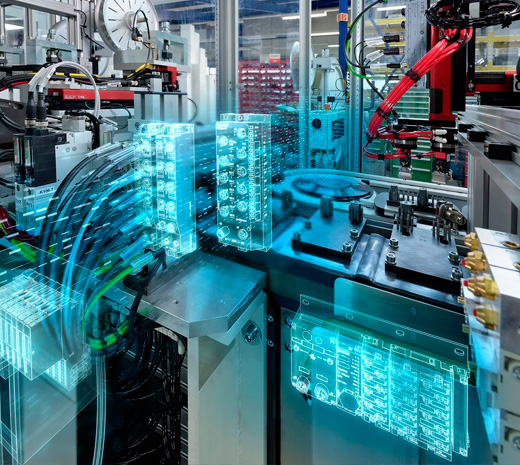
Within the DataAnalitics concept, ALS Ingeniería implements a Monitoring System that centralizes information collected from industrial assets. This system enables real-time analysis of equipment behavior and the early detection of failure conditions before they impact operations, while considering safety as a key factor and leveraging technologies specifically designed for industrial environments.

This approach allows for the centralization and organization of system data, providing the client with a dedicated environment where information can be visualized, analyzed, and interpreted according to their specific operational needs.

Features

  • Real-time visualization of variables

  • Monitoring of motor operational status

  • Variable analysis

  • Anomaly detection

  • System configuration

  • Data logging

Benefits

  • Customized analysis environment for each client

  • Visualization of motor condition

  • Mechanical wear index

  • Extended asset service life

  • Optimized maintenance

Smart Motor Sensor (SMS)

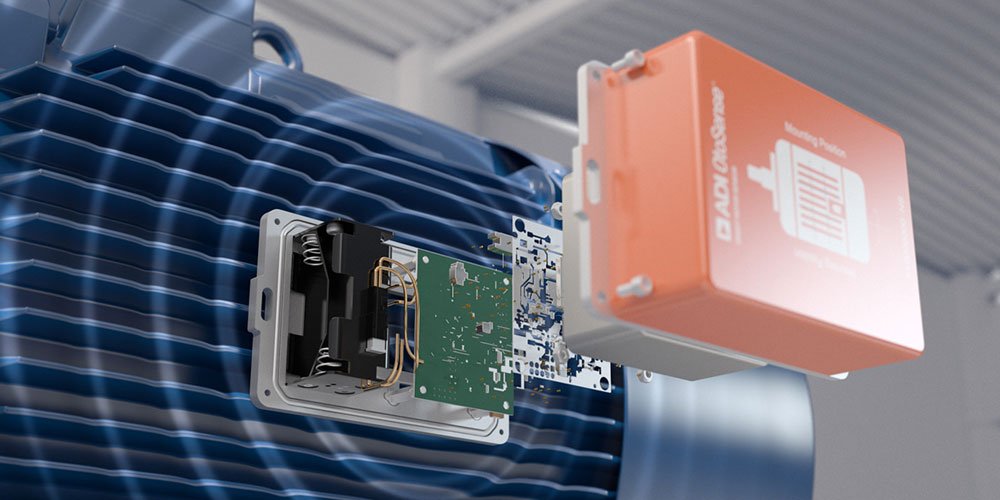
The monitoring system integrates ADI OtoSense sensors, specialized in the acquisition and analysis of acoustic and vibration signals, enabling early detection of anomalous patterns in industrial systems. These sensors support fault identification and enhance monitoring reliability. Their implementation contributes to more accurate detection of critical events, optimizes predictive maintenance strategies, and strengthens the operational continuity of industrial assets.

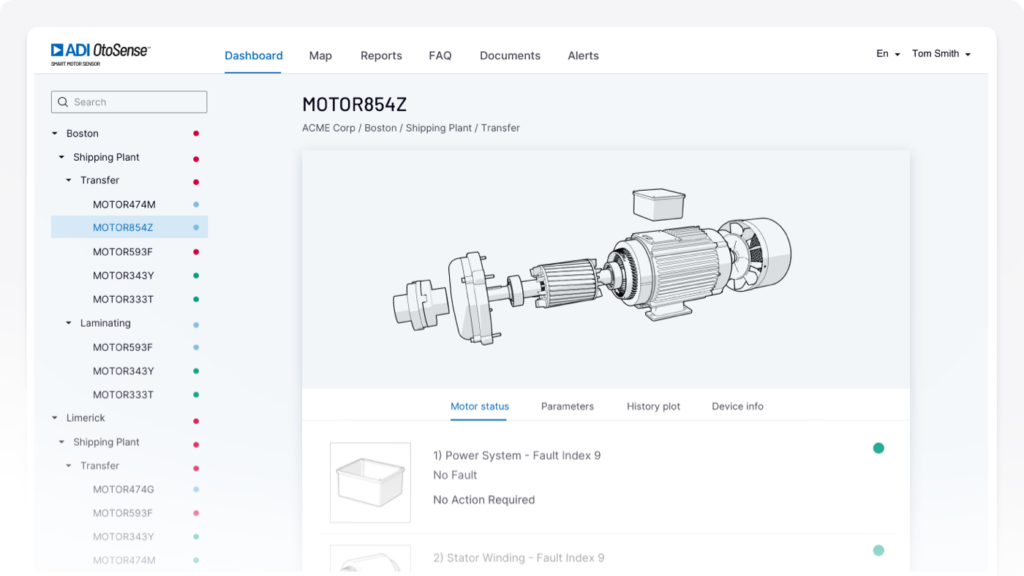
The OtoSense SMS application provides a comprehensive view of motor condition through advanced data analysis based on sensor inputs. Its interface enables the interpretation of diagnostics, the prioritization of alerts, and an understanding of the evolution of each asset’s operating conditions. In this way, the application supports proactive maintenance management, improves response capabilities to critical events, and contributes to a more efficient, safe, and controlled operation.

Features

  • Advanced condition analysis through the ADI OtoSense application

  • Early fault diagnosis

  • Sensor–application integration for centralized data visualization

  • Condition-based alert generation

  • Data history for trend analysis and monitoring

Benfits

  • Reduction of unplanned downtime

  • Optimization of maintenance activities

  • Increased asset availability and reliability

  • Lower operational and corrective maintenance costs

  • Extended motor service life

Communication Channels and Access to Information

User Interface

Within the DataAnalitics concept, ALS Ingeniería implements a Monitoring System that centralizes data collected from industrial assets. This system enables real-time analysis of system behavior and the early anticipation of failure conditions before they impact operations, while prioritizing safety as a key factor and leveraging technologies designed specifically for industrial environments.

This approach allows the centralization and organization of system data, providing the client with a dedicated environment where information can be visualized, analyzed, and interpreted according to their specific operational needs.

Automated Messaging System

Within the DataAnalitics concept, ALS Ingeniería deploys a Monitoring System that centralizes information collected from industrial assets. This system enables real-time analysis of asset behavior and the early identification of potential failure conditions before they impact operations, while emphasizing safety as a critical factor and leveraging technologies specifically designed for industrial applications.

This approach enables the centralization and structuring of collected data, providing clients with a dedicated environment in which they can visualize, analyze, and interpret information according to their specific operational requirements.